The Two Paths in Plain English
Architect-first means the homeowner hires an architect to design the house, then takes the completed drawings out for competitive bid to several general contractors, then signs a separate construction contract with the winning bidder. Two contracts, two relationships, sequential timeline.
Design-build means the homeowner hires a single builder who has in-house or contracted architectural and engineering capability. The builder leads the entire project — design, engineering, ARC submittal, permits, construction — under one fixed-price contract. One contract, one relationship, parallel timeline.
Both work. The right choice depends on cost certainty, decision speed, the architectural ambition of the project, and how much coordination the homeowner wants to manage.
When Design-Build Wins
Design-build is usually the better path when:
- Cost certainty matters early. Design-build gives a fixed proposal during preconstruction. Architect-first cannot give a real number until full drawings are bid, which is 6–9 months later — and bids often exceed the architectural budget.
- Schedule matters. Design-build runs design, engineering, ARC, and permitting in parallel. Architect-first runs them sequentially, which adds 3–6 months end-to-end on a typical project.
- The homeowner wants one accountable party. With design-build, there is no architect-vs-builder finger-pointing on drawings, scope, or details — the builder owns both.
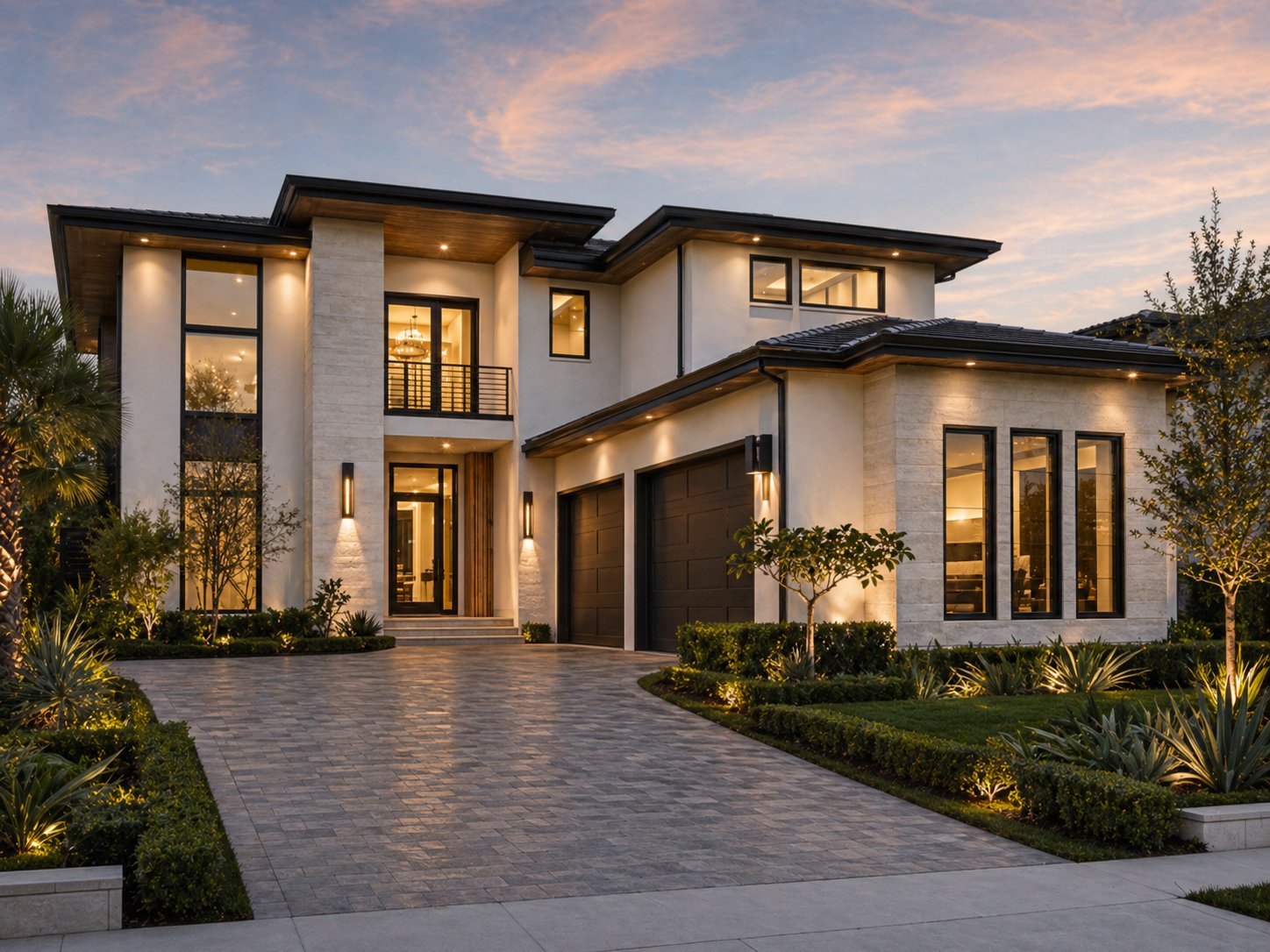
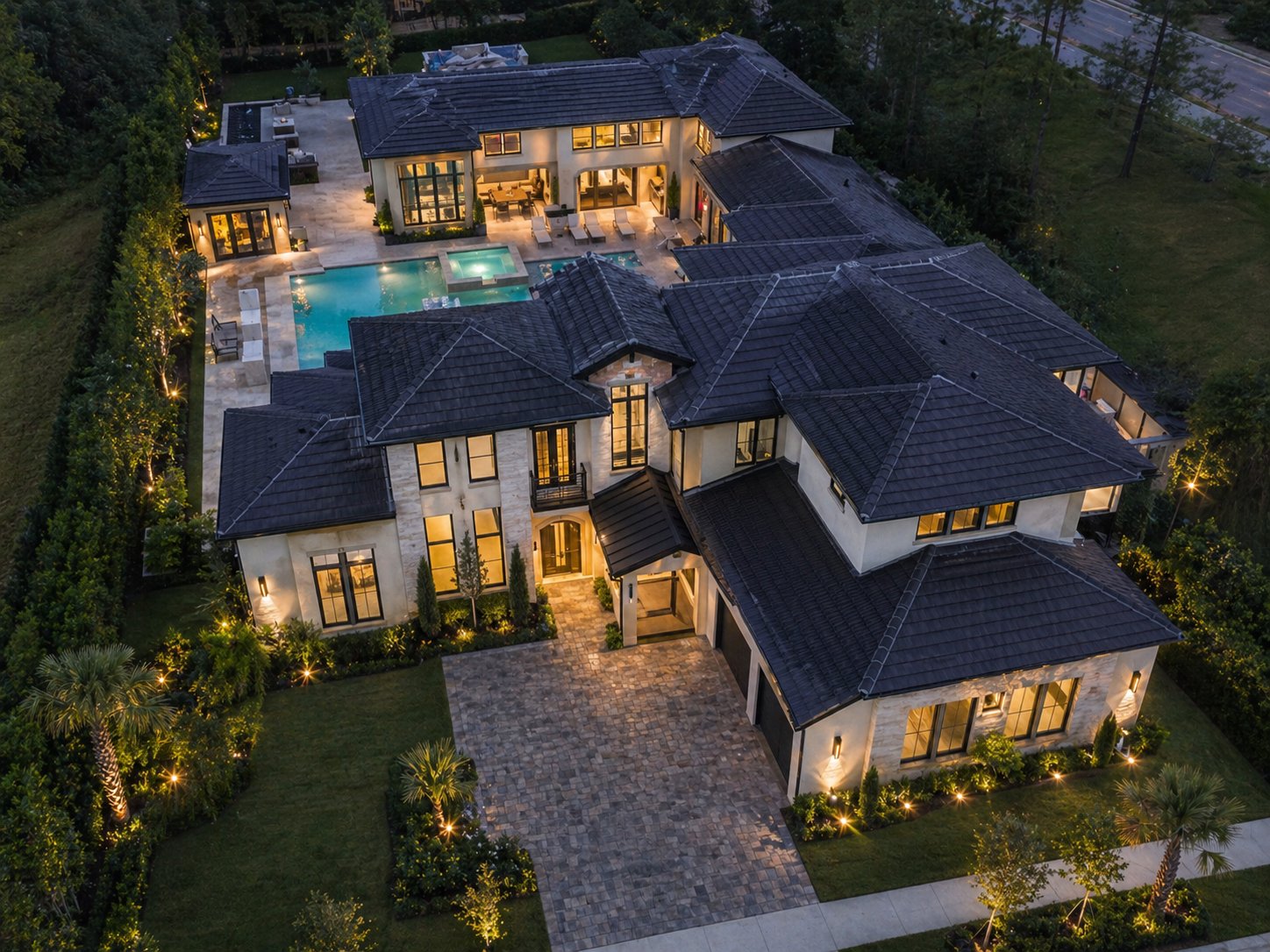
- The project is a recognizable type (Texas traditional, French, transitional, modern luxury). Design-build is highly efficient on projects with established vocabulary because the builder has already solved the constructability and cost issues many times.
- The lot is a master-planned community with active ARC review. Design-build builders typically have direct relationships with the major Houston-area ARCs and turn submissions faster.
When Architect-First Wins
Architect-first is the better path when:
- The project is architecturally ambitious or experimental (custom modern, museum-quality, unique site, internationally inspired). A specialist architect adds genuine value the builder cannot replicate.
- The homeowner has time and bandwidth to manage two relationships and run a real competitive bid process. This typically adds 3–6 months but can produce 5–10% cost savings on the construction side if the field is right.
- The homeowner already has a strong relationship with a specific architect they want to work with.
- The project has unusual constraints (historic preservation, heavy modular components, complex sustainability targets) that benefit from independent architectural advocacy.
Cost Comparison: What Actually Differs
On a typical Houston $1.5–$2.5M custom home, the underlying construction cost is roughly the same either way — the labor, materials, engineering, and overhead are not meaningfully different. The differences are: (1) architectural fees, typically 7–12% of construction cost in architect-first vs. 4–6% rolled into the contract in design-build; (2) schedule, 3–6 months longer in architect-first; (3) change order frequency, generally higher in architect-first because design and construction conflict points are discovered during the build rather than during preconstruction.
On total project cost, design-build is typically 3–8% lower than architect-first for projects that hit their schedule. Architect-first can be lower-cost if a true competitive bid produces an aggressive winning number — but the spread between bids on the same drawing set in Houston is usually 15–25%, which means risk on both sides.
How to Decide
Three honest questions: How important is a fixed price before you spend $50,000–$150,000 on architecture and engineering? How much of your own time can you put into managing two contracts and a bid process? Is the architecture of your project genuinely unusual, or is it a recognizable Texas custom home that any experienced design-build firm has built before?
If cost certainty matters early, you want a single accountable party, and the project is a recognizable type, design-build is the cleaner path. If the architecture is the centerpiece of the project and you have time to run a real bid process, architect-first can produce a genuinely better result.
Related Services & Pages
Frequently Asked Questions
Is design-build cheaper than architect-first in Houston?
For a typical recognizable Houston custom home that hits its schedule, design-build is generally 3–8% lower on total project cost. The savings come from compressed schedule, fewer change orders, and rolled-in architectural fees. Architect-first can be lower if a true competitive bid produces an aggressive winning number, but bid spreads on the same drawings are typically 15–25% which is risk on both sides.
Can I switch from architect-first to design-build mid-project?
Yes, but only at clean handoff points. If you have completed schematic design with an architect and are not satisfied with the bid results, a design-build builder can pick up the project, complete construction documents and engineering, value-engineer the design, and proceed under a fixed-price contract. We have done this several times in the Houston market.
Does a design-build builder use a real architect?
Yes. Saadi Construction Group works with licensed Texas architects on every project, either in-house or through long-standing contract relationships. The difference vs. architect-first is that the builder leads the project and contracts directly with the architect, so design intent and construction reality stay aligned from day one.
Which path is faster?
Design-build is typically 3–6 months faster end-to-end because design, engineering, ARC submittal, and permit prep run in parallel rather than sequentially. On a typical 18-month project, that is meaningful schedule and financing carry savings.
Related Articles
Saadi Construction Group
Houston-based custom home builder specializing in design-build, plans, permits, engineering, and full custom home construction across the Greater Houston metro. Learn more about us.